US Visas For Indian Citizens: Mistakes to Avoid
Wiki Article
Opening Opportunities: Important Information on United States Visas for Indian Citizens
Maneuvering the intricacies of U.S. visa choices is vital for Indian people aiming to check out possibilities in the United States. With numerous categories ranging from short-term visitor visas to pathways for irreversible residency, comprehending the nuances of each can considerably impact one's journey. This conversation will highlight crucial info, consisting of application treatments and qualification requirements, that can empower individuals in their quest of brand-new experiences. As we unpack these crucial aspects, the question arises: what strategies can one utilize to enhance their chances of a successful application?Overview of United States Visa Kind
When traversing the complicated landscape of US migration, comprehending the different kinds of visas offered is important for Indian citizens seeking access into the USA (US Visas For Indian Citizens). The United States immigration system is primarily categorized right into two wide classifications: immigrant visas and non-immigrant visasImmigrant visas are assigned for those intending to live completely in the United States. These include family-sponsored and employment-based visas, where applicants generally call for a sponsor. Non-immigrant visas, on the other hand, accommodate people looking for short-lived residence, such as vacationers, company visitors, and those taking a trip for certain purposes like work or study.
Within the non-immigrant category, numerous visa types exist, consisting of B-1/ B-2 for company and tourist, H-1B for specialized professions, L-1 for intra-company transferees, and O-1 for individuals with remarkable capabilities. Each visa has distinctive qualification demands and application processes, requiring detailed research to establish the proper group.
Comprehending these classifications is essential for Indian residents, as it allows them to navigate the application procedure extra efficiently, guaranteeing they choose the correct visa type to meet their certain requirements and objectives. Types Of US Visas.
Student Visa Options
For Indian residents aiming to study in the United States, pupil visas present an important pathway to go after academic possibilities. The primary visa groups for trainees are the F-1 and M-1 visas.The F-1 visa is assigned for scholastic trainees signed up in a permanent program at a recognized establishment, such as colleges and colleges. This visa allows trainees to take part in on-campus work and, under certain conditions, join optional useful training (OPT) after completing their degree, supplying useful work experience in their field.
Conversely, the M-1 visa is meant for employment or non-academic programs. It accommodates pupils seeking technical or vocational training, enabling them to sign up in non-degree programs. M-1 visa owners may join practical training, but it is usually extra limited compared to the F-1 group.
To get a trainee visa, candidates have to protect admission to a united state institution, get a Kind I-20, and show economic ability to support their education and learning and living expenditures. Comprehending these visa choices is considerable for Indian people planning to commence their instructional journey in the USA.
Job Visa Categories
Several Indian people looking for job opportunity in the USA may consider various job visa groups tailored to different specialist demands and credentials. One of the most famous job visa is the H-1B visa, created for knowledgeable workers in specialty professions needing a higher education level or its equivalent. It enables U.S. employers to briefly use international employees, with a cap on the number of visas provided yearly.One more important group is the L-1 visa, which helps with the transfer of staff members within multinational companies. The L-1A visa is for supervisors and executives, while the L-1B visa is for workers with specialized understanding.
The O-1 visa accommodates people with phenomenal capabilities in their field, consisting of scientific research, arts, or business. For farming or seasonal work, the H-2A and H-2B visas are offered, permitting companies to employ international employees for temporary placements.
Family-Based Migration
Family-based immigration gives a pathway for united state residents and lawful permanent homeowners to rejoin with their loved ones from India. This immigration group is fundamental for preserving familial bonds and facilitating the integration of family participants into American culture. United state citizens can request for immediate relatives, consisting of partners, kids, and parents, without encountering annual limits on visas. This expedited procedure considerably lowers waiting times for these close household connections.In comparison, authorized permanent locals might fund spouses and single children, however they are subject to annual caps, resulting in much longer wait times. The family-sponsored migration system is separated right into two primary classifications: instant relatives and household choice classifications. The former consists of those who have a direct partnership with an U.S. resident, while the last encompasses farther relatives, such as siblings and wedded children of residents, and youngsters of authorized long-term residents.
For Indian citizens seeking family-based migration, comprehending the subtleties of this system is necessary. Proper paperwork and adherence to application procedures are essential for successful sponsorship. By navigating via these intricacies, families can work towards reuniting and developing their lives together in the United States.
Irreversible Residency Process
The procedure of acquiring long-term residency in the United States entails a number of essential visa groups customized for Indian people. Understanding the application actions, consisting of necessary documentation and qualification criteria, is important for an effective end result. Furthermore, prospective candidates should know the anticipated timeline and certain needs connected with each classification.Visa Categories Summary
While going across the complexities of the united state migration system, Indian citizens seeking long-term residency should acquaint themselves with different visa classifications tailored to different circumstances. The key path for long-term residency is with employment-based visas, which are categorized into a number of preferences, including EB-1 for people with extraordinary capabilities, EB-2 for professionals holding sophisticated levels, and EB-3 for competent employees. Each group has details qualification demands and processing times.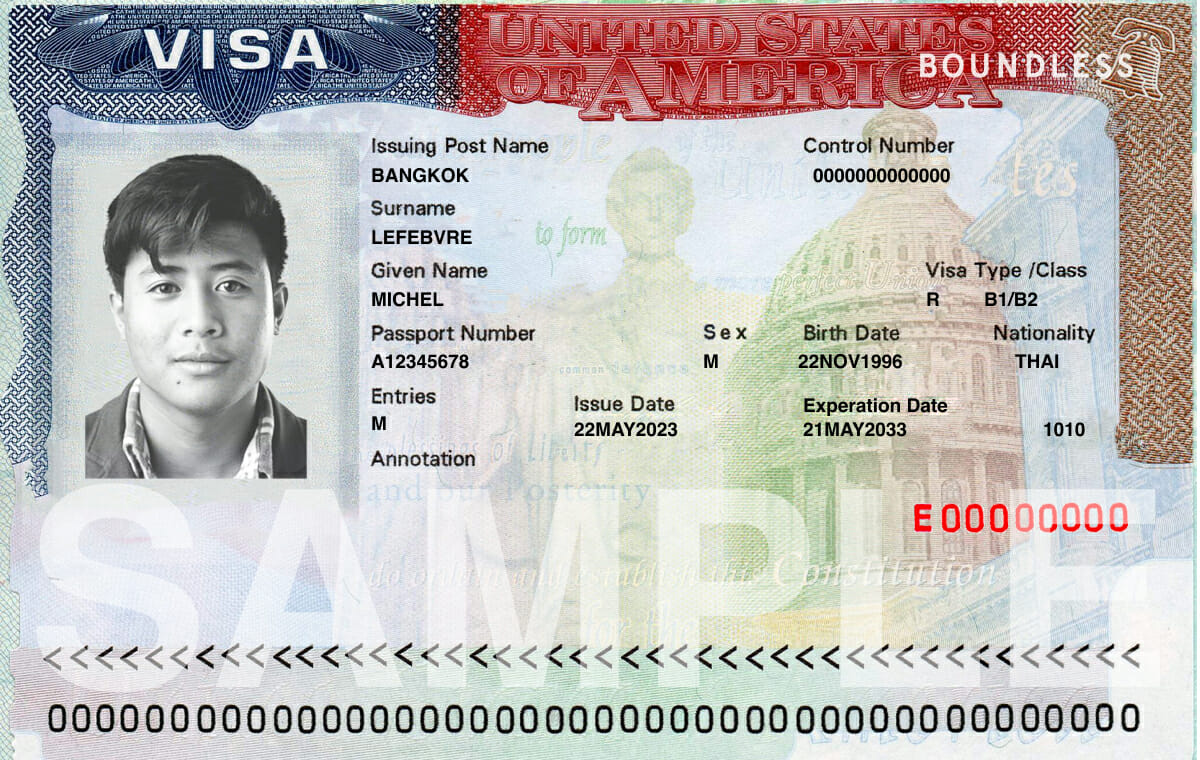
Diversity visas, although limited in number, supply an opportunity for individuals from underrepresented nations to make an application for permanent residency via a lottery system. In addition, humanitarian choices such as asylum and evacuee condition deal paths for those encountering persecution.
Recognizing these visa groups is essential for Indian people, as they greatly affect the technique for acquiring permanent residency in the United States. Each category's nuances and demands necessitate cautious factor to consider to align with private scenarios and objectives.
Application Process Steps
Steering the application process for permanent residency in the USA entails numerous crucial steps that need to be carefully followed to guarantee a successful outcome. The trip usually starts with identifying the appropriate migration category, such as employment-based or family-sponsored visas. Applicants must gather important documentation, including evidence of eligibility, monetary statements, and personal identification.Once the classification is identified, the following step is to submit the Form I-130 (Petition for Alien Loved One) or Form I-140 (Immigrant Request for Alien Worker), relying on the basis of the application. Following the authorization of the petition, candidates will need to finish the National Visa Facility (NVC) handling by sending the required costs and kinds.
Next off, the candidate has to undertake a clinical examination and obtain authorities clearance certificates. As soon as these are finished, an interview will certainly be set up at the U.S. consular office or embassy. It is important to prepare completely for this meeting, as it can significantly influence the decision on the application. Finally, upon authorization, the applicant will get their copyright, approving them permanent residency in the USA.
Timeline and Requirements
Charting the timeline and requirements for getting long-term residency in the USA is crucial for Indian people seeking to develop a lasting existence. The procedure mostly rests on employment-based or family-sponsored pathways, each with specific requirements and timelines.For employment-based migration, the process generally starts with a labor qualification, which can take several months. When authorized, the employer files a Kind I-140, Immigrant Request for Alien Employee, which can take an added 6 months to a year, relying on the processing facility. Complying with I-140 approval, applicants might need to wait for their concern date to come to be present, which can vary substantially based on the candidate's group and country of beginning.
For family-sponsored migration, U.S. people can request for instant relatives, which usually leads to faster handling. Nevertheless, other household categories may entail longer wait times due to yearly caps.
Application Procedures
Recognizing the application procedures for US visas is essential for Indian people looking for access right into the United States. US Visas For Indian Citizens. This section will certainly supply a summary of different visa categories and describe the step-by-step process for using. By following these standards, candidates can navigate the intricacies of the visa effectivelyVisa Categories Introduction
Navigating the numerous visa groups available to Indian citizens can be an intricate procedure, but it is essential for those seeking to travel, function, or research in the USA. The U.S. visa system is classified largely into non-immigrant and immigrant visas, each serving distinct functions.Non-immigrant visas, such as B-1/ B-2 for organization and tourism, F-1 for academic study, and H-1B for specialized work, enable temporary stays. Applicants must demonstrate their intent to go back to India after their browse through.
In comparison, immigrant visas, including family-sponsored and employment-based classifications, provide a path to long-term residency. These visas frequently require sponsorship from a family member or company in the united state, in addition to a strenuous application process.
Step-by-Step Process
Generally, the application process for U.S. visas entails numerous critical actions that candidates must carefully comply with to ensure a smooth experience. The very first step is to determine the appropriate visa category based upon the purpose of travel, such as work, study, or tourist. Once website the classification is identified, applicants have to complete the on the internet DS-160 type, supplying precise individual details and traveling information.After sending the DS-160, applicants must pay the visa cost, which varies by visa kind. Next off, set up an appointment for a visa interview at the nearby united state Embassy or Consular Office. Types Of US Visas. It is essential to get ready for the meeting by gathering needed papers, including a valid visa, visa verification, charge payment invoice, and any kind of sustaining documentation certain to the visa category
On the day of the meeting, show up promptly and gown suitably. During the interview, be prepared to answer concerns regarding your travel purposes, economic security, and ties to India. Lastly, if accepted, the visa will certainly be marked in the visa, permitting traveling to the United States. Complying with these actions guarantees an efficient and reliable copyright process for Indian residents.
Tips for a Successful Application

Make certain that all kinds are completed accurately and truthfully. Little mistakes or noninclusions can bring about delays or also denials. It is recommended to collect all needed sustaining documents, consisting of monetary declarations, work letters, and evidence of connections to India, which demonstrate your intent to return post-visit.
Get ready for your visa meeting by practicing reactions to usual concerns associated with your itinerary and history - US Visa Categories India. Confidence and quality can substantially impact the police officer's impression. Take into consideration seeking assistance from credible immigration specialists if you feel overwhelmed.
Often Asked Concerns
What Are the Handling Times for United States Visa Applications?
Processing times for U.S. visa can vary substantially based upon the visa kind, application quantity, and the candidate's place - US Visas For Indian Citizens. Generally, applicants should anticipate a processing period ranging from a few weeks to a number of monthsCan I Modification My Visa Status While in the US?
Yes, individuals can transform their visa standing while in the USA, offered they satisfy eligibility needs and follow correct procedures. It is essential to submit the suitable application with U.S. Citizenship and Immigration Solutions (USCIS)Are There Age Boundary for United States Visa Applicants?
There are generally no specific age limits for U.S. visa candidates; nevertheless, particular visa categories might have age-related eligibility criteria. It is essential to assess the demands for each and every visa type to assure compliance.What Are Usual Reasons copyright Rejection?
Common factors copyright rejection consist of inadequate monetary sources, failure to demonstrate connections to the home nation, incomplete application, absence of correct paperwork, previous migration infractions, and failing to meet qualification requirements for the specific visa category.How Can I Appeal a Visa Rejection Choice?
To appeal a visa denial, review the consular officer's reasons, collect sustaining documentation, and submit an official attract the suitable authority, guaranteeing to comply with defined timelines and procedural demands for the appeal procedure.Report this wiki page